Social media




Space may look silent from Earth, but every mission is generating something that matters: data, images, navigation signals, scientific measurements and knowledge. None of it creates value unless it can move reliably between spacecraft and ground.
That is the idea behind Space, unmuted. It describes what Anywaves technologies do every day: remove communication barriers and give missions the RF means to transmit, connect and deliver their full potential.
Today, Anywaves works across a broader part of the RF chain, combining space antennas, embedded RF electronics, software-defined radios, downlink transmitters and integrated payload subsystems. This expanded expertise allows us to support customers not only with individual products, but also with technologies designed to work together across increasingly complex mission architectures.
Space, unmuted is therefore more than a tagline. It is a clear expression of our role in the space ecosystem. Our customers create the missions. We help make sure those missions can be heard.
Anywaves and EmTroniX now operate under one Anywaves identity, bringing together complementary teams and capabilities across Toulouse, Luxembourg and Austin. The products, expertise and customer relationships developed under both former brands remain in place, now presented through one catalogue, one website and one broader RF and payload-technology offer.


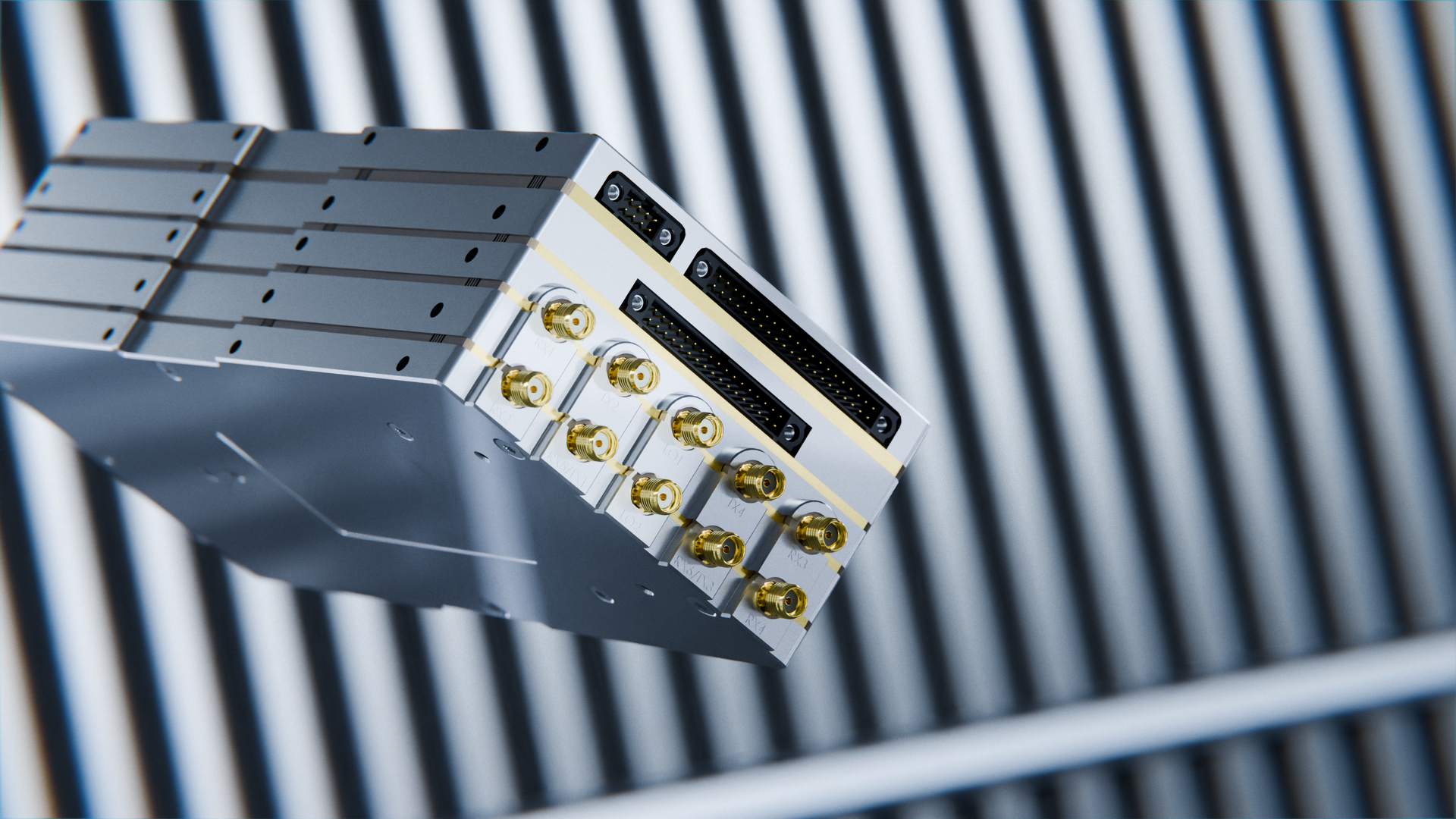
Every spacecraft needs a radio, but traditional satellite radios were generally designed around fixed hardware, frequencies and protocols. Once launched, their behaviour could only change within the limits already built into the system.
Software-defined radio changes that architecture by moving key functions such as modulation, filtering, frequency selection and encoding into programmable processing. The hardware still defines the physical operating limits, but software determines how the radio behaves within them. This enables waveforms and communication functions to be updated or reconfigured during the mission.
For mission teams, that flexibility can support changing communication requirements, evolving ground infrastructure and multiple applications on a shared platform. Anywaves’ VILSA SDR combines a wideband, tunable RF front end with a high-performance processing core, bringing this adaptability to demanding space payloads from VHF to X-Band.


Rocket Lab’s Pioneer spacecraft launched on 19 June 2026 for the U.S. Space Force’s VICTUS HAZE mission, setting a new benchmark for tactically responsive space operations.
Onboard Pioneer, Anywaves’ Compact X-Band Payload Telemetry Antenna supports the high-rate downlink needed to return imagery and telemetry from the mission’s Rendezvous and Proximity Operations campaign. Its compact, flight-proven design gives a small and highly manoeuvrable spacecraft the gain required to move time-critical payload data reliably to the ground.
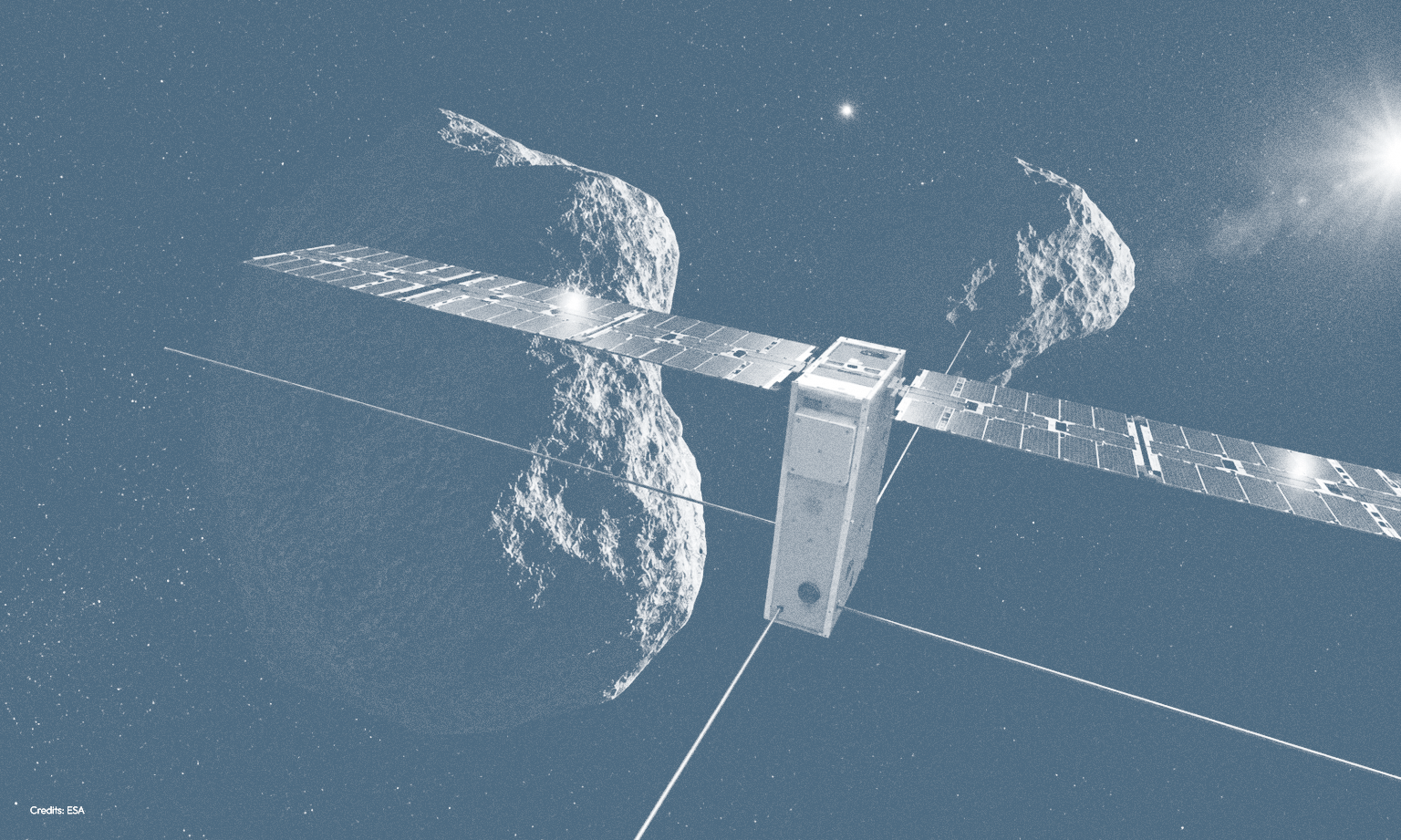
ESA’s Hera mission carries the Juventas CubeSat and its primary instrument, JuRa: the smallest low-frequency radar ever flown in space and the first designed to probe the inside of an asteroid.
The core JuRa electronics were designed and delivered by EmTroniX, now part of Anywaves. The compact payload generates the radar signal, acquires the returning echoes and processes them inside a single CubeSat unit. Once Juventas begins its survey of Dimorphos, JuRa will help scientists move beyond surface observations and directly investigate the asteroid’s internal structure.
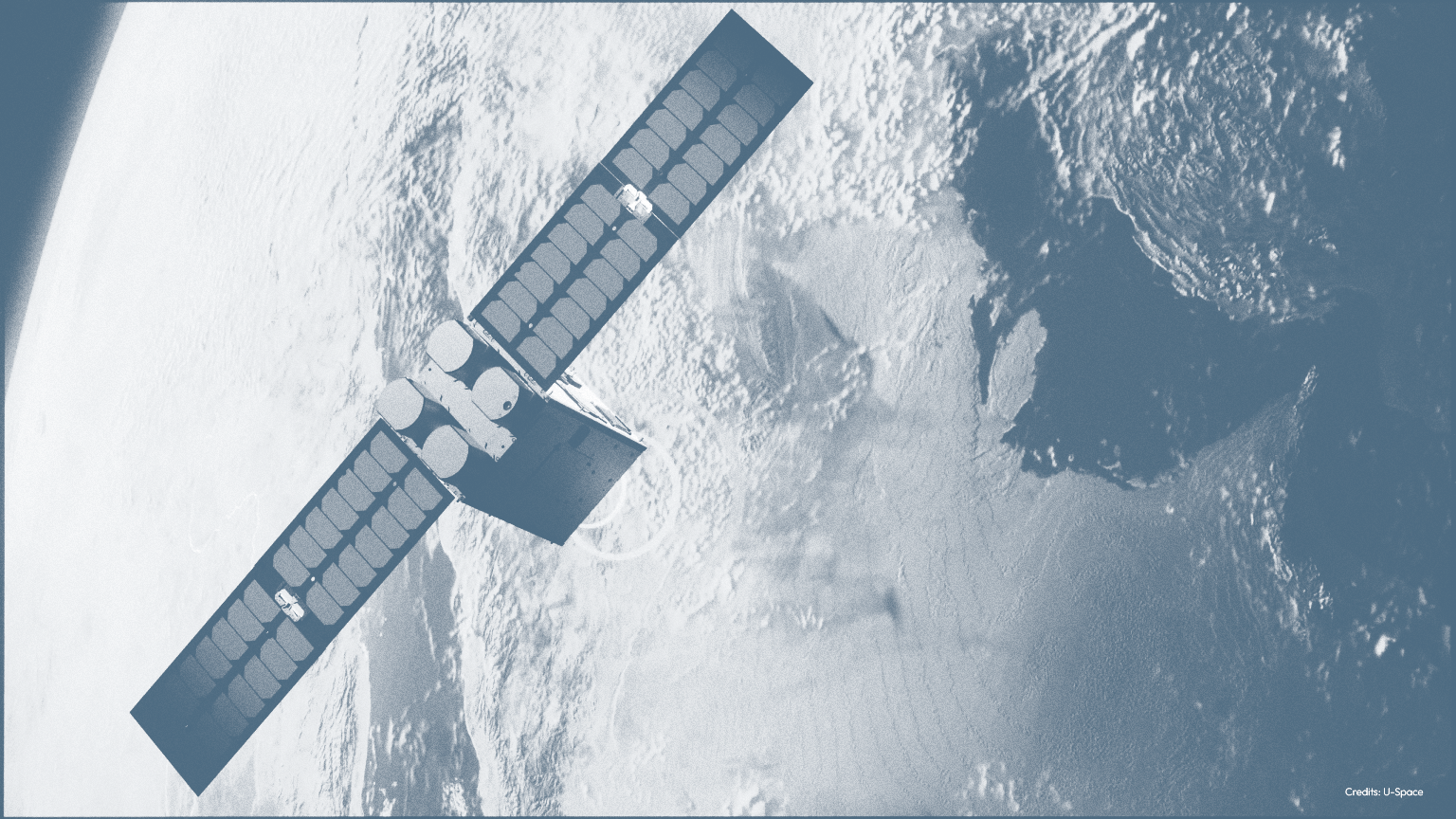
LEONAV-1 is the United Arab Emirates’ first satellite dedicated to satellite-navigation technologies and an in-orbit demonstrator for a future Low Earth Orbit Positioning, Navigation and Timing architecture.
Anywaves supplied two antenna families for this compact 12U CubeSat: S-Band TT&C for command and housekeeping telemetry, and a ceramic GNSS E1/L1 antenna for onboard navigation. Together, they connect the satellite to its operators, its ground segment and the navigation constellations above it.
The mission has completed its first operational phase, with its navigation payload validated and signals transmitted from LEO received and processed on the ground.


Space constraints begin long before orbit. Storage, assembly, launch vibration, venting, vacuum, radiation and repeated thermal cycles all influence antenna materials, geometry and RF performance. Designing for space means considering the entire product lifecycle from the first engineering decisions.

An LNB performs two critical tasks at the start of a receive chain: it amplifies an extremely weak incoming signal while adding as little noise as possible, then converts it to a lower frequency that is easier to carry, filter and digitise. For space use, it must perform those functions through vacuum, radiation, launch loads and years of thermal cycling.


SmallSat 2026 brought Anywaves France, Anywaves Luxembourg and Anywaves USA together in Salt Lake City, representing one portfolio of space antennas, RF electronics, avionics and payload technologies.
Before the conference opened, around 1,400 members of the SmallSat community joined us for Big Steps at SmallSat. The evening brought customers, partners, colleagues and friends together for networking, live music and a memorable start to a week of technical discussions and new connections.
Across the exhibition and conference, those conversations gave our teams valuable insight into the missions, constellations and requirements shaping the next generation of small satellites.


26-29 October 2026
Noordwijk, Netherlands

17-19 November 2026
Bremen, Germany
Social media
Stay up-to-date with current activities and future events by following us on your favorite social media channels.
Where to find us
Anywaves
2, Esplanade Compans Caffarelli
31000 Toulouse
France
Changed your mind? Unsubscribe